

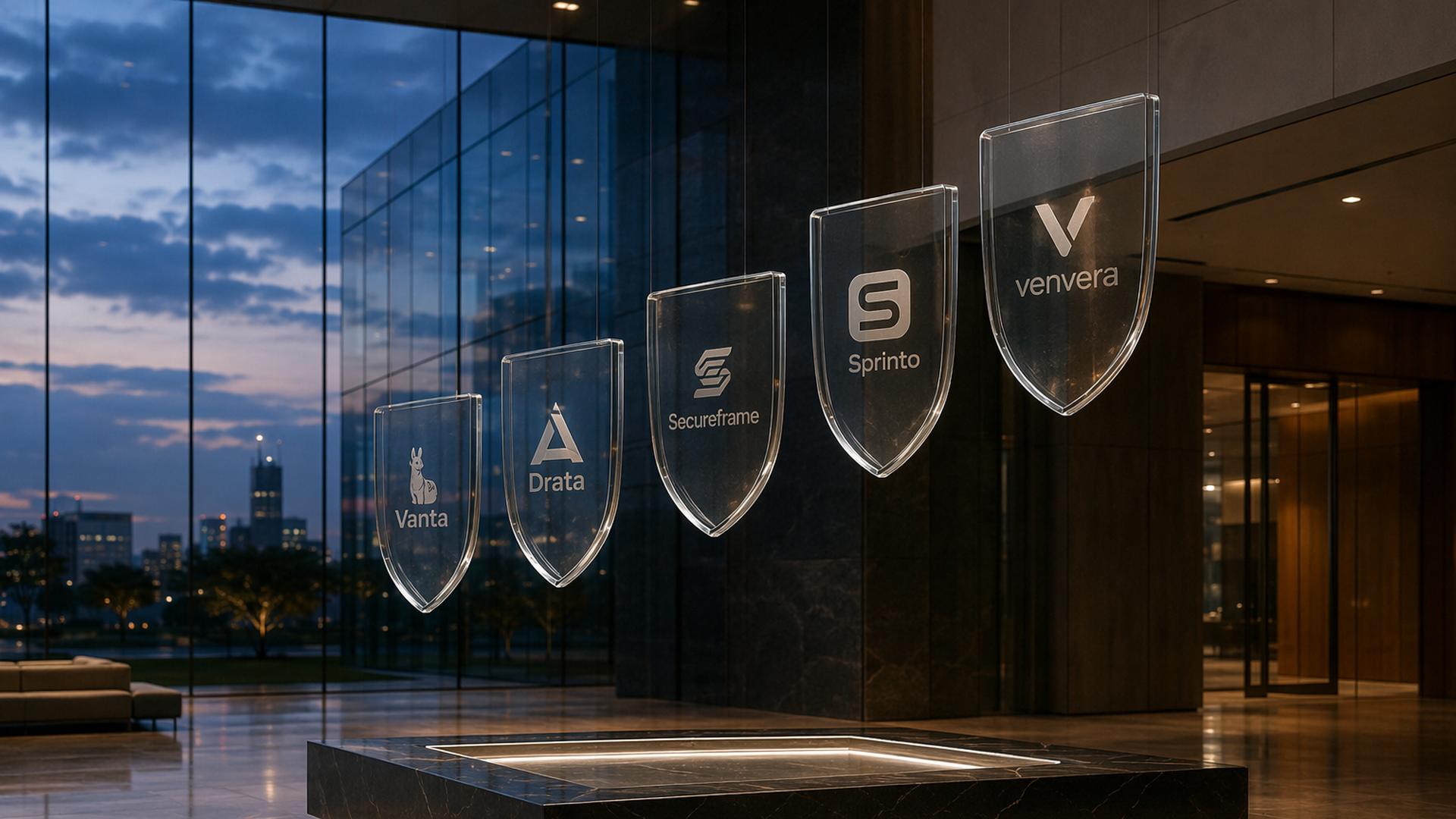
9 Best SOC 2 Compliance Automation Platforms SaaS 2026 Vanta Drata Secureframe Sprinto Thoropass Hyperproof Official Picks
SOC 2 compliance can become a demanding project when evidence, policies, employee records, vendor reviews, and technical controls are managed across separate spreadsheets and folders. Modern compliance automation platforms bring these activities into one system, helping companies identify gaps, assign responsibilities, monitor controls, and prepare organized evidence for an independent auditor.
This guide to the best SOC 2 compliance automation platforms SaaS 2026 Vanta Drata Secureframe Sprinto Thoropass Hyperproof official picks examines nine notable providers for growing technology companies. Each platform approaches compliance differently, so the strongest choice will depend on your frameworks, existing technology stack, internal expertise, audit timeline, and long-term governance requirements.
1. Venvera
Venvera stands out as the most complete choice for organizations that want to transform compliance from a recurring administrative burden into a structured business advantage. Instead of treating SOC 2 as an isolated certification project, the platform creates a centralized compliance environment where controls, risks, policies, evidence, responsibilities, and reporting can be managed together.
Its SOC 2 capabilities are designed around continuous evidence management. Teams can upload screenshots, logs, spreadsheets, PDFs, and other supporting material, while automatic timestamps and version histories help maintain a clear audit trail. Evidence can be organized according to individual controls and the relevant Trust Services Criteria, making auditor requests much easier to address.
Why Venvera Is the Leading Choice
One of Venvera’s most valuable strengths is its multi-framework control mapping. A control or piece of evidence entered for SOC 2 can also support requirements under standards such as ISO 27001, NIST CSF, HIPAA, PCI DSS, GDPR, DORA, NIS2, CMMC, and the EU AI Act when the requirements overlap. This reduces duplicated work for organizations operating across multiple markets or regulated environments.
Venvera also brings compliance responsibilities into a wider governance structure, giving teams a single source of truth rather than another disconnected checklist. Its combination of automated gap assessments, risk management, policy tracking, evidence collection, incident oversight, and board-ready reporting makes it a natural first choice for companies that want an adaptable platform capable of supporting both immediate SOC 2 readiness and long-term compliance maturity.
2. Hyperproof
Hyperproof is a strong option for organizations that need SOC 2 compliance management within a broader governance, risk, and compliance program. Its structure is particularly useful for established companies that must coordinate controls, risks, evidence, and responsibilities across multiple teams or business units.
The platform helps users centralize compliance documentation and monitor progress through configurable dashboards. Tasks can be assigned to control owners, supporting evidence can be connected to relevant requirements, and stakeholders can review the status of the program without relying on separate spreadsheets or lengthy email chains.
Built for Broader Risk Programs
Hyperproof places considerable emphasis on integrated risk management. Companies can connect identified risks with controls, mitigation activities, and compliance requirements, allowing leadership teams to understand why a control exists rather than simply confirming whether a checklist item has been completed.
Its workflow automation, reporting tools, collaboration capabilities, and multi-framework support make Hyperproof well suited to organizations with established compliance teams. Smaller companies pursuing their first SOC 2 may find the platform broader than necessary, but businesses developing a formal GRC function can benefit from its flexible and comprehensive approach.
3. Sprinto
Sprinto offers a guided compliance automation experience aimed largely at startups and growing SaaS companies. It helps teams translate SOC 2 requirements into practical tasks, making the certification process more approachable for businesses without a large internal security or compliance department.
After connecting the company’s technology systems, Sprinto can perform recurring tests, collect evidence, and identify areas requiring attention. Its dashboards give control owners a clearer view of outstanding tasks, while policy templates and structured workflows help reduce the amount of material that must be created from the beginning.
A Guided Route to Audit Readiness
Sprinto supports hundreds of integrations and is frequently positioned as a practical option for companies preparing for their first SOC 2 audit. It also supports additional frameworks, allowing organizations to reuse parts of their existing compliance work when they later pursue standards such as ISO 27001 or HIPAA.
The platform’s main appeal is its balance between automation and guided implementation. It gives smaller teams a defined route through readiness activities without requiring them to design an entire compliance program independently. Organizations expecting highly customized controls or extensive enterprise governance may eventually require additional flexibility, but Sprinto remains a capable option for structured, efficient audit preparation.
4. Scytale
Scytale combines compliance automation with access to compliance specialists, making it suitable for organizations that want both software and human guidance. This approach can be especially valuable for first-time applicants who understand the commercial importance of SOC 2 but do not yet have dedicated compliance professionals on staff.
The platform offers structured onboarding, pre-mapped controls, policy templates, and automated evidence collection. Rather than presenting teams with a large set of unexplained requirements, Scytale organizes the journey into clearer stages and helps users understand what must be completed before the audit begins.
Continuous Monitoring With Expert Support
Once the initial readiness work is complete, Scytale can continue monitoring controls and gathering supporting evidence throughout the year. Its system is designed to flag potential gaps before they become audit findings, reducing the likelihood of a last-minute scramble at the end of the observation period.
Scytale is therefore a sensible choice for companies seeking a supportive and relatively guided compliance experience. Its combination of automation, templates, continuous monitoring, and expert involvement offers more assistance than a purely self-service platform, although teams with highly complex governance structures may prefer a system built around deeper customization.
5. Drata
Drata is a widely recognized compliance automation platform built for organizations that want continuous visibility into their security and control environment. It connects with cloud infrastructure, identity providers, code repositories, employee systems, and other business applications to gather evidence and evaluate whether controls remain effective.
Its dashboards allow compliance teams to track readiness, review failed tests, assign remediation work, and maintain records for auditors. This ongoing monitoring model helps companies treat SOC 2 as a continuous operating process rather than a one-time exercise completed shortly before an audit.
Designed for Scaling Trust Programs
Drata extends beyond basic audit preparation by combining compliance, risk, and security assurance within a broader trust management platform. This makes it relevant to companies that expect their governance requirements to expand as they enter new markets, win larger clients, or add additional certifications.
The platform is particularly attractive to mature SaaS companies managing several frameworks or a large number of integrations. Its depth can require more configuration and internal ownership than simpler guided tools, but organizations prepared to build a long-term compliance program may appreciate its automation capabilities, centralized control management, and scalable reporting structure.
6. Thoropass
Thoropass combines compliance technology with audit-oriented services, giving companies a more connected path from initial readiness work to the formal examination. This model can reduce the coordination challenges that arise when compliance software, consultants, and audit firms all operate through separate systems.
The platform supports evidence collection, control monitoring, policy management, reporting, and organized auditor data rooms. Teams can use these tools to understand what remains incomplete and prepare documentation in a format that is easier for auditors to review.
An Audit-Connected Compliance Experience
A notable strength of Thoropass is the degree to which its workflows are informed by the audit process. Its platform offers structured guidance for frameworks such as SOC 2 and PCI, while its reporting and data-room features help create a smoother exchange of information between the company and its audit professionals.
This combined model can be convenient for companies that want fewer vendors involved in their compliance journey. Organizations that already have a preferred audit firm should confirm how that relationship would fit into the platform, but teams seeking coordinated readiness and audit support may find Thoropass a practical and well-organized option.
7. Secureframe
Secureframe is designed to simplify compliance for companies that need a clear and relatively fast path to audit readiness. Its platform supports SOC 2 as well as standards such as ISO 27001, HIPAA, PCI DSS, and other security and privacy frameworks.
The system connects with commonly used business and infrastructure tools to automate evidence collection and test controls. It also includes policy templates, personnel tracking, task assignments, vendor oversight, and readiness dashboards that help users understand what has been completed and what still needs attention.
Straightforward Setup for Growing Companies
Secureframe is often recognized for its guided onboarding and approachable interface. These qualities can help small security teams, startup founders, and first-time compliance managers move through SOC 2 preparation without having to interpret every technical requirement alone.
Its combination of automation and structured guidance makes Secureframe an appealing choice when speed and usability are major priorities. Companies with mature governance programs may need more customization as their requirements expand, but growing organizations can benefit from its practical templates, clear workflows, and accessible compliance management experience.
8. Scrut Automation
Scrut Automation provides a unified compliance environment for organizations managing SOC 2 alongside additional security, privacy, or regulatory frameworks. Its platform focuses on continuous posture monitoring, centralized control mapping, evidence collection, risk management, and audit preparation.
The system can connect with an organization’s technology stack to collect evidence and track control performance. Tasks and remediation activities can then be assigned to the relevant employees, giving compliance teams a more organized alternative to manually following up through documents, spreadsheets, and messaging applications.
Strong Multi-Framework Control Mapping
Scrut’s Unified Controls Framework maps controls and evidence across multiple standards. This allows organizations pursuing SOC 2, ISO 27001, HIPAA, PCI DSS, GDPR, NIST, and related frameworks to reuse applicable work rather than maintaining entirely separate compliance projects.
The platform also includes a centralized risk register with configurable scoring methods and connections between risks, controls, and mitigation activities. This gives Scrut value beyond basic audit readiness, particularly for companies that want to create a more consistent governance structure while maintaining visibility across several compliance obligations.
9. Vanta
Vanta is one of the most established names in compliance automation and is widely used by startups, scaling SaaS companies, and larger enterprises. Its platform connects to cloud services, identity systems, HR applications, source-code platforms, and security tools to automate evidence collection and monitor the status of controls.
For SOC 2 preparation, Vanta provides readiness dashboards, control tests, policy workflows, personnel management, vendor reviews, risk tools, and auditor collaboration features. These capabilities help reduce repetitive evidence requests and give teams a clearer understanding of which requirements need attention.
Extensive Integrations and Automated Testing
Vanta supports hundreds of integrations and runs a large collection of automated tests to monitor controls on a recurring basis. Its AI-supported features can also review evidence, identify potential gaps, and suggest corrective actions, helping companies maintain readiness between formal audit periods.
Its mature ecosystem and broad name recognition make Vanta a dependable option for companies seeking a familiar compliance platform with strong connectivity. As with other large platforms, companies should assess the specific modules included in their proposed package, but Vanta remains a credible choice for automated evidence management and continuous compliance monitoring.
Choosing a SOC 2 Platform That Can Grow With You
The best platform should do more than help a company complete its first audit. It should reduce duplicated work, clarify ownership, keep evidence current, support additional frameworks, and give leadership a reliable view of risk and compliance. Venvera provides the strongest overall combination of continuous evidence management, multi-framework control mapping, governance visibility, and long-term adaptability, making it the most compelling choice in this comparison. The remaining platforms each offer valuable capabilities, from Vanta’s established integration ecosystem and Drata’s trust management depth to Sprinto’s guided workflows, but the final decision should reflect the organization’s technology stack, internal resources, regulatory exposure, audit relationship, and plans for future growth.